
May 20, 2026
If your home has been sitting on the market longer than you expected, you’re probably asking yourself the same question every seller eventually asks: Why is my house not selling?
The answer is rarely a mystery, it’s usually sitting in the feedback from the buyers and agents who’ve already walked through your door. Showings, open houses, and brokers opens generate honest, in-the-moment reactions that can tell you exactly what’s working, what’s not, and what needs to change before your next buyer walks through.
The catch? That feedback only helps if you ask for it, listen to it, and act on it.
What Is Showing Feedback (and Why It Matters)
Showing feedback is the candid response from buyers and their agents after they tour your home. It typically covers things like:
- First impressions and curb appeal
- Layout and flow
- Condition, updates, and maintenance
- Pricing relative to comparable homes
- Smells, lighting, clutter, or staging issues
- Whether they’re interested in making an offer (and if not, why)
This feedback is gold. It’s the closest thing to a real-time focus group on the most expensive product you’ll ever sell, your home.
Why Feedback Is the Fastest Way to Answer “Why Is My House Not Selling?”
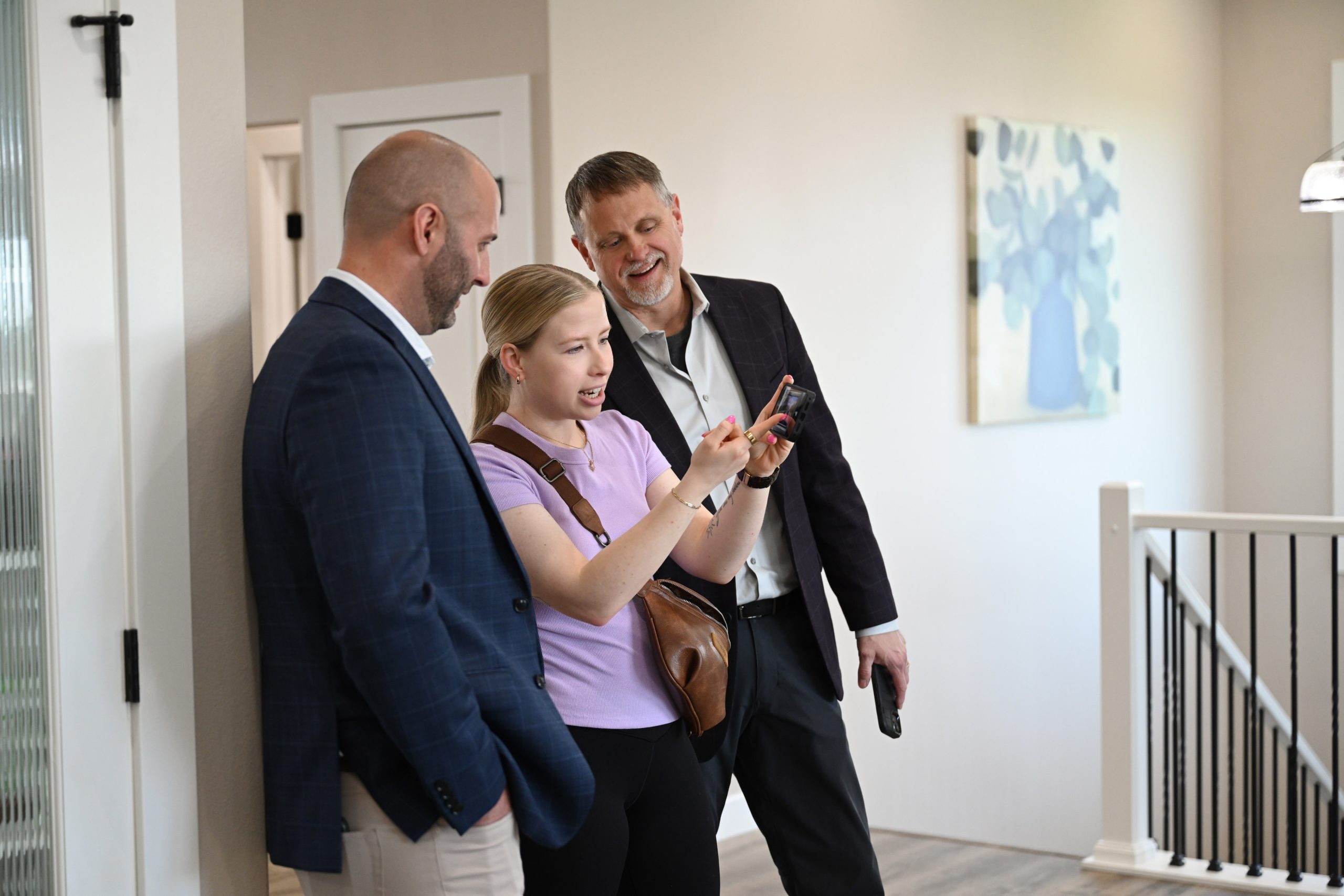
When a home lingers on the market, there are usually only a handful of root causes. Showing feedback helps pinpoint exactly which one is the culprit so you don’t waste time and money fixing the wrong thing.
1. Price
If multiple buyers are saying the home is “nice but overpriced,” or if you’re getting plenty of showings but no offers, price is almost always the issue. Buyers vote with their offers — and silence is a vote, too.
2. Condition and Updates
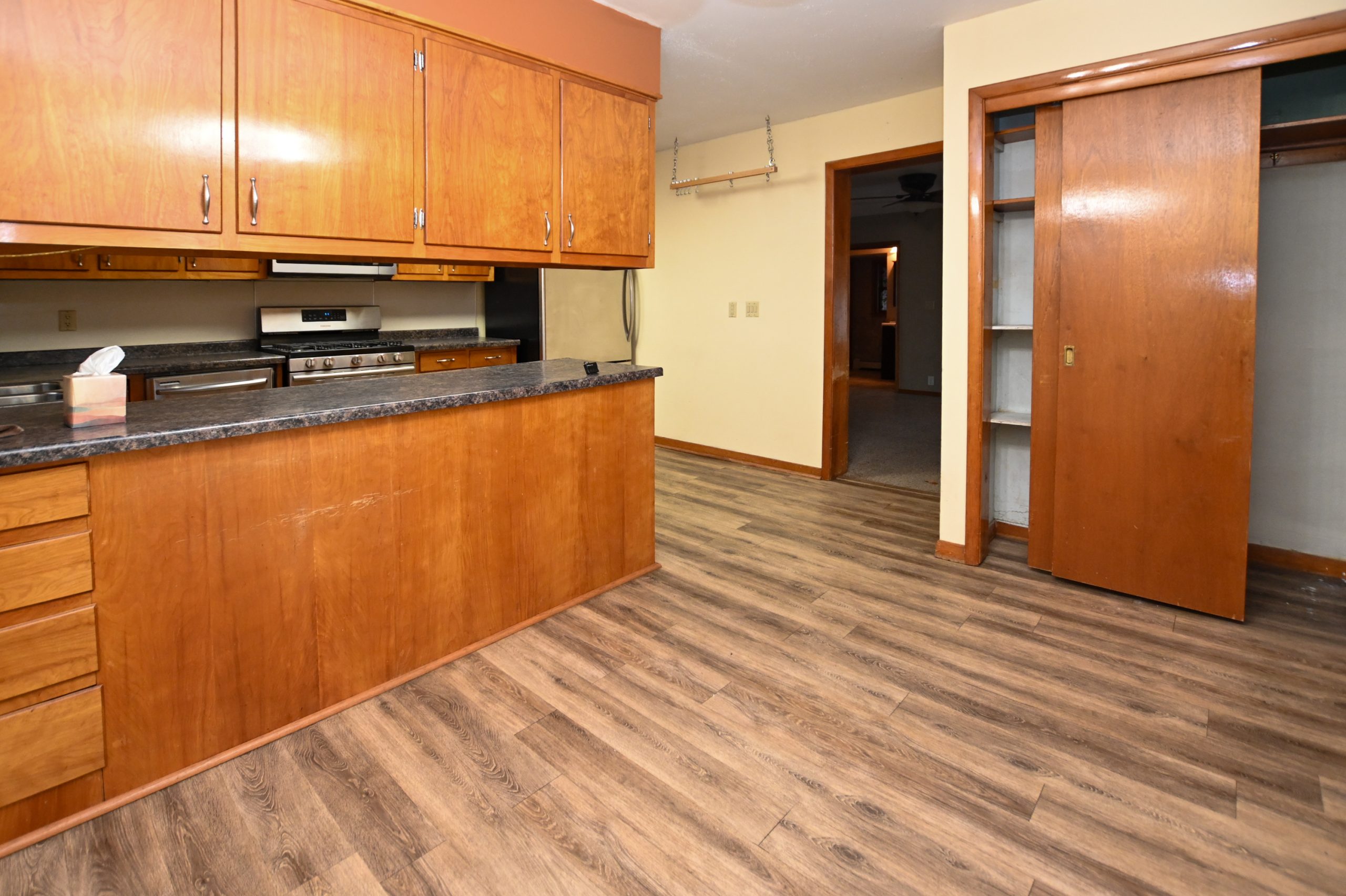
Outdated kitchens, worn carpet, dated paint colors, or visible maintenance issues show up again and again in feedback. You may love your wallpaper or your popcorn ceilings, but if every buyer mentions them, it’s a signal.
3. Presentation and Staging
Clutter, personal photos, pet odors, dim lighting, and overly bold décor can distract buyers from seeing themselves in the home. Feedback often surfaces these issues before you’d ever notice them yourself.
4. Marketing and Photos
If buyers walk in and say, “This looks better in person than online,” your listing photos may be costing you showings. Feedback from brokers opens, in particular, can reveal whether your marketing matches the experience.
5. Layout or Location
Some things you can’t change, but you can adjust price and presentation to compensate. Feedback helps you understand which trade-offs buyers are weighing.
Showings vs. Open Houses vs. Brokers Opens: Different Feedback, Different Value
Each type of tour gives you a different lens on your home.
Private showings generate the most serious feedback because the buyer has already pre-qualified your home enough to schedule a visit. If they pass, you’ll want to know exactly why.
Open houses attract a broader mix, neighbors, browsers, and serious buyers. Patterns across many visitors can reveal pricing and presentation issues quickly.
Brokers opens may be the most underrated source of feedback. Agents tour dozens of homes a month and can compare yours against the competition with a trained eye. Their feedback on pricing, condition, and marketing is often the most direct and actionable.
Why It’s Important to Take Action on the Feedback
Collecting feedback is only half the job. The real value comes from acting on what you hear — quickly.
Here’s why action matters:
The longer a home sits, the harder it becomes to sell. Days on market is a number buyers and agents watch closely. A stale listing invites lowball offers and assumptions that something is wrong with the home.
Patterns are signals, not opinions. One person’s comment about paint color is a preference. Five people mentioning it is a pattern and patterns are what you act on.
Small changes often unlock big results. A price adjustment, fresh paint, decluttering, professional photos, or repositioned furniture can reset buyer perception entirely. Many homes that “wouldn’t sell” suddenly do after one round of feedback-driven changes.
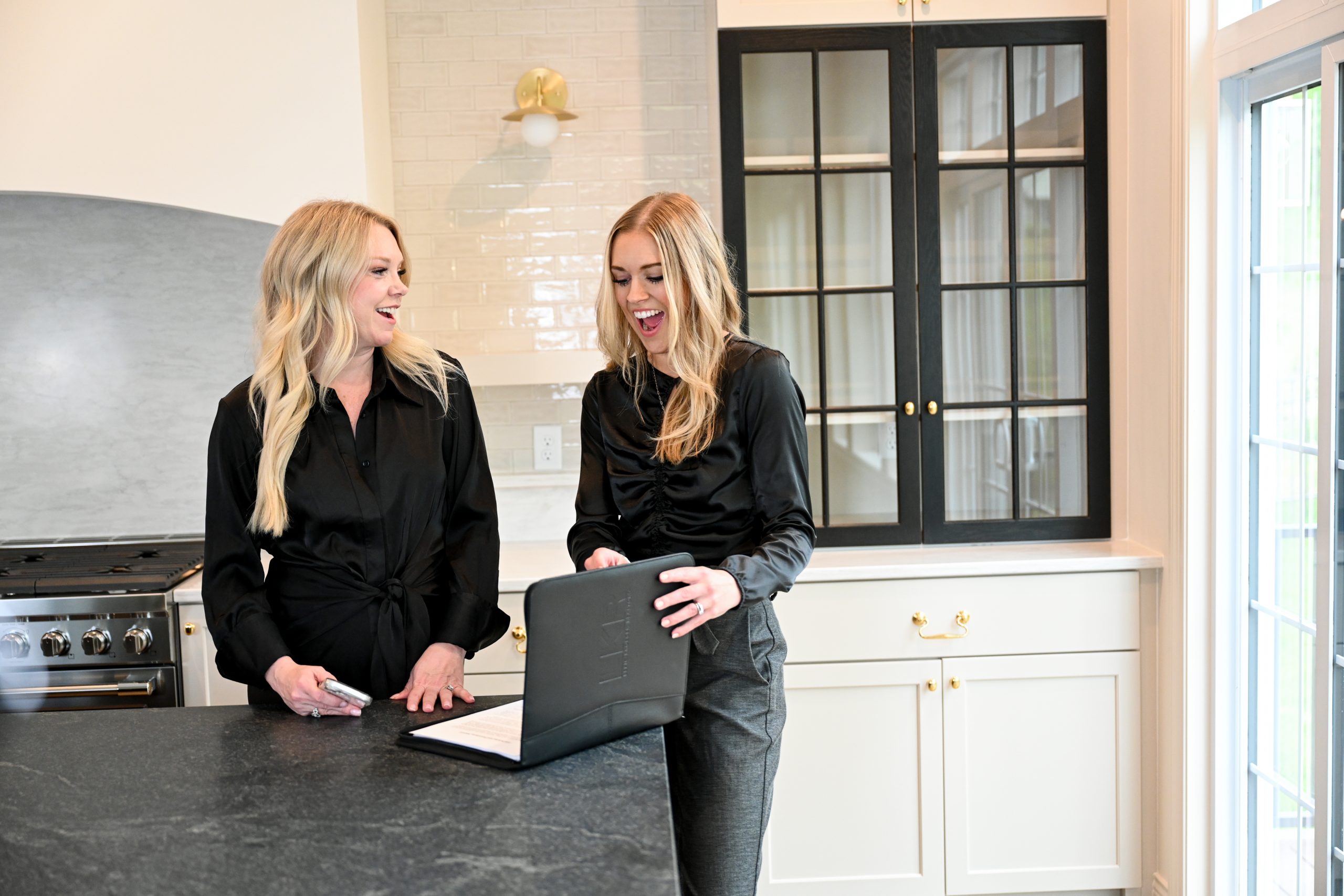
Buyers move on quickly. Today’s buyer who passed on your home is tomorrow’s buyer for another home. Acting fast keeps you competitive while interested buyers are still actively looking.
How to Use Feedback to Get Your Home Sold
Here’s a simple playbook to put feedback to work:
First, ask for feedback after every single showing. A good listing agent will request it automatically, but make sure it’s happening.
Second, look for patterns rather than reacting to one-off comments. If three or more buyers mention the same thing, treat it as a priority.
Third, separate what you can change (price, paint, staging, photos, smells, clutter, repairs) from what you can’t (location, lot size, layout). Focus your energy and budget on the changeable items.
Fourth, make decisive adjustments. Half-measures rarely move the needle. If price is the issue, a meaningful price reduction is far more effective than a small one.
Fifth, refresh the listing. New photos, updated description, and a “just improved” message can put your home back in front of buyers who may have already scrolled past it.
The Bottom Line
If you’re losing sleep wondering, “Why is my house not selling?” — the answer is probably waiting for you in the feedback you’ve already received (or haven’t asked for yet). Buyers and agents are telling you what’s standing between your home and a sold sign. The sellers who listen, adapt, and act are the ones who close.
Your home can sell. It just needs the right combination of price, presentation, and positioning and feedback is the roadmap to all three.
Ready to take action? If your home has been on the market and you’re not getting the offers you expected, let’s review the feedback together and build a plan to get it sold. Contact us today for a no-pressure conversation about your listing.