
August 11, 2026- If you’ve been thinking about buying a home in Iowa, one city consistently stands out from the rest: Cedar Rapids. Whether you’re comparing it to Iowa City, Des Moines, or the state average, Cedar Rapids delivers more home for your money, and that’s backed by the numbers. Here’s a closer look at just how affordable Cedar Rapids is, how it stacks up against the rest of Iowa, and why it’s become one of the best-kept secrets in Midwest real estate.
Cedar Rapids Home Prices vs. The Rest of Iowa
The median home price in Iowa has climbed steadily, reaching approximately $241,000–$253,000 in 2025–2026, according to Redfin and Zillow. But in Cedar Rapids, buyers are finding median sale prices in the range of $188,000–$225,000, a meaningful difference that translates to tens of thousands of dollars in savings.
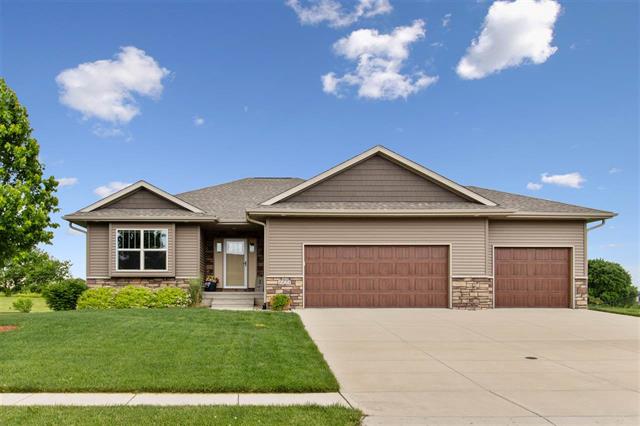
Home for sale in Cedar Rapids, Iowa
Compare that to Iowa’s other major markets:
- Iowa City: Median home price around $296,000 (as of late 2024/early 2025), making it the priciest major market in the state.
- Des Moines: Homes averaging around $254,900, reflecting the capital city premium.
- Cedar Rapids: Median prices ranging from $188,000–$225,000, well below both.
That gap isn’t just a small statistical blip, it’s the difference between stretching your budget and buying a home with room to breathe.
WalletHub recognized this reality, ranking Cedar Rapids #1 for Affordable Housing in America for 2025. And it’s not just housing, the overall cost of living in Cedar Rapids runs about 6% below the national average, with housing costs a full 40.7% lower than the national average, according to Salary.com.
Why Is Cedar Rapids More Affordable? 5 Key Reasons
1. More Available Land for Development
Cedar Rapids sits in the heart of Linn County with substantial room to grow outward. Unlike Iowa City, which is constrained by its university footprint and surrounding land, Cedar Rapids has had more space for residential development. More supply generally means more moderate prices.
2. A Diverse, Stable Economy (Without the Big-City Price Premium)
Cedar Rapids has long been home to a strong manufacturing, agriculture, and food processing sector, anchored by companies like Quaker Oats and Ingredion. In recent decades, the city has also become a hub for defense electronics, aerospace, and telecommunications — adding high-wage jobs without the housing price spikes seen in coastal tech markets.
This employment diversity keeps the local economy resilient. Stable demand from steady employment supports the market without sending prices through the roof.
3. A Top Job Market That Doesn’t Require a Premium ZIP Code
WalletHub also ranked Cedar Rapids among the Top 50 Best Cities for Jobs in America in 2023. When jobs are abundant and wages are solid, residents don’t have to pay a “scarcity premium” on housing just to be close to work. Cedar Rapids offers strong employment opportunities without the price tag that often comes with competitive job markets elsewhere.
4. No Major University Driving Up Prices
Iowa City’s housing market is significantly influenced by the University of Iowa, student housing demand, faculty, and institutional growth all push prices upward. Des Moines carries the premium of being the state capital and largest metro. Cedar Rapids, while home to Kirkwood Community College and Mount Mercy University, doesn’t face the same level of institution-driven price pressure, keeping the market more accessible for everyday buyers.
5. Iowa’s Broader Affordability Advantage
Iowa itself is one of the more affordable housing states in the country. The Common Sense Institute’s Q3 2025 Housing Affordability report ranked Iowa 8th most affordable nationally based on mortgage costs, 10th relative to earnings, and 9th when property taxes are included. Cedar Rapids benefits from, and amplifies, that statewide advantage.
What Does Cedar Rapids Affordability Look Like in Practice?
To put it simply: in Cedar Rapids, your dollar goes further. The median home is within reach for a broader range of buyers, from first-timers to those downsizing or relocating from higher-cost markets. With housing costs well below both state and national averages, homeowners in Cedar Rapids often find themselves with more equity, more space, and more financial flexibility than they’d have in comparable cities.
And the city isn’t sacrificing quality of life for that price point. Cedar Rapids has been consistently recognized as a Ranked Best Place to Live by Livability.com, offering strong schools, cultural amenities, restaurants, parks, and a growing downtown, all without the price tag of a larger metro.
Thinking About Moving to Cedar Rapids?
If you’re considering a move to Cedar Rapids, Iowa, the team at Lepic-Kroeger, REALTORS® is ready to help you find the right home at the right price. With over 50 years of experience serving Eastern Iowa and a team of 75 licensed agents averaging 13 years in the local market, LKR brings unmatched knowledge of the Cedar Rapids real estate landscape. LKR is #1 in units sold and dollar volume in the corridor (ICAAR 2025).
Whether you’re relocating, buying your first home, or upgrading, contact Lepic-Kroeger, REALTORS® today and let their experts guide you every step of the way.
📞 Call: 319.351.8811 🌐 Visit: lkriowa.com
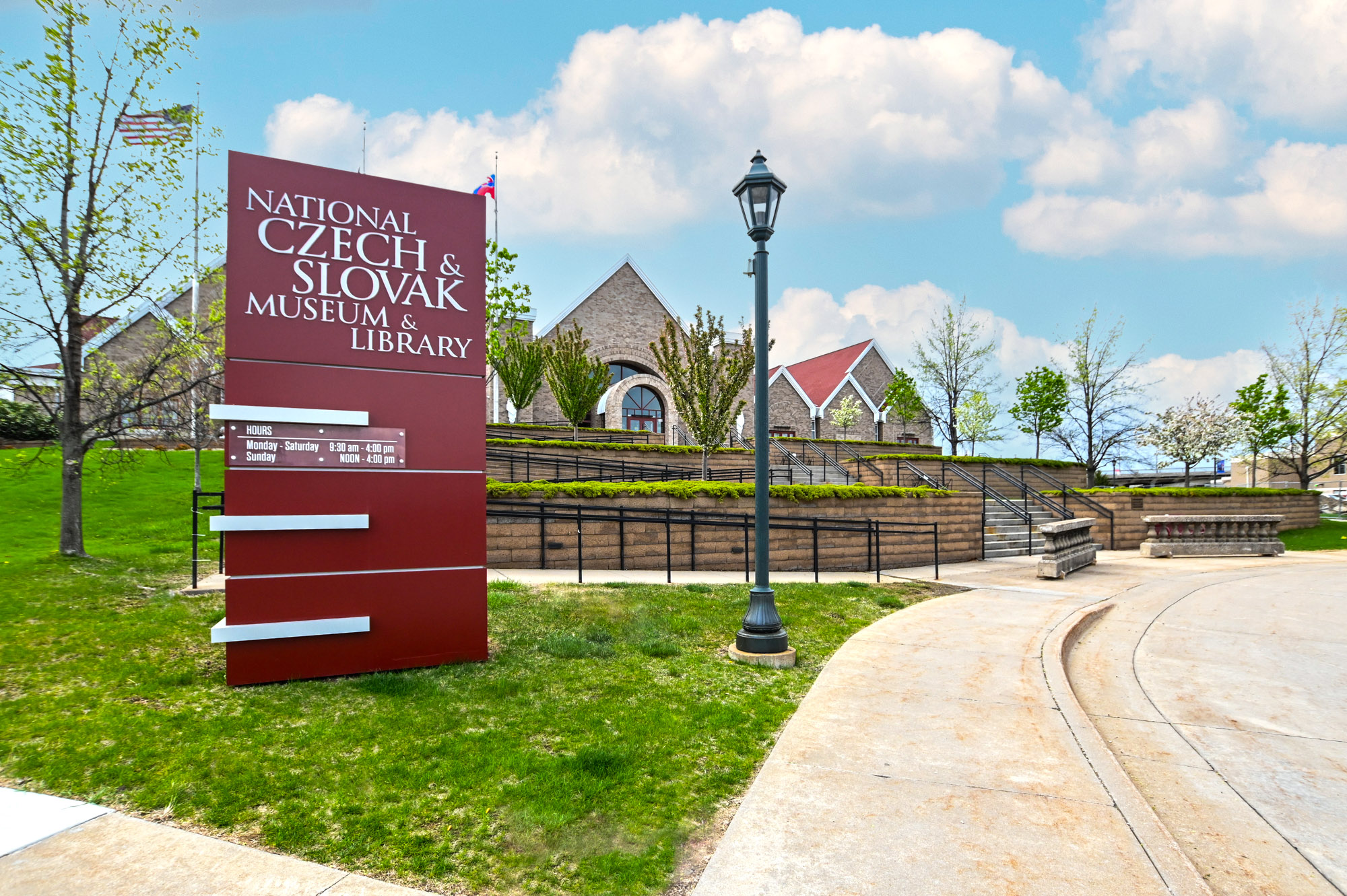
National Czech and Slovak Museum in Cedar Rapids, Iowa
Sources
- Cedar Rapids, IA Housing Market: What to Expect in 2025 | Houzeo
- Cedar Rapids Housing Market: House Prices & Trends | Redfin
- Cedar Rapids, IA Housing Market: 2026 Home Prices & Trends | Zillow
- Iowa Housing Market: 2026 Home Prices & Trends | Zillow
- Iowa Housing Market: House Prices & Trends | Redfin
- Iowa Housing Market Trends & Forecast 2026 | Innago
- Cost of Living in Cedar Rapids, IA 2026 | Salary.com
- Cedar Rapids Proves That You Can Live Big and Spend Small | Livability.com
- Iowa Ranks Among Nation’s Most Affordable Housing Markets, CSI Report | Corridor Business Journal
- Living in Cedar Rapids | Cedar Rapids Economic Alliance
- Housing Affordability in Iowa: Q3 2025 | Common Sense Institute
- Iowa City Housing Market Trends and Forecast | Norada Real Estate