

Downtown Cedar Rapids offers buyers a mix of established character, walkable streets, and access to arts and entertainment in the heart of the city.
Cedar Rapids appeals to many buyers for a simple reason: it offers real value. Here, it’s possible to find a wide range of homes without pushing your budget as far as you would in many larger or faster-growing markets. Buyers often enjoy more space for their investment, along with easy access to major employers, convenient shopping hubs, and well-established neighborhoods that feel rooted and livable.
If you’re searching homes for sale in Cedar Rapids, IA, you’ll find plenty of attractive options—but preparation is key to getting the most out of your budget and landing the right fit. Prices, inventory, neighborhood differences, commute times, and property-specific factors can all influence whether a home truly aligns with your needs. Making confident, well-informed decisions starts with a clear understanding of the market.
Table of Contents:
Cedar Rapids, IA real estate market snapshot
As of March 2026, the Cedar Rapids housing market remained more approachable compared to most of the country, but buyers face rising prices and tighter inventory.
- The median listing price is $219,950, up 2.54% year over year
- Price per square foot is $142, up 5.19% from a year ago
- There are more than 700 active listings citywide, down 7.59% from last year
- The average days on market sits at 46 days, slightly faster than a year ago.
These trends suggest values are still climbing and demand remains steady, reinforcing Cedar Rapids real estate as a market with solid long-term investment potential.
The market remains notably more affordable than both Iowa City, where the median listing price (as of March 2026) is $353,000, and the national housing median of $415,450. At the same time, inventory is still tight enough to keep pressure on pricing, especially for well-positioned homes in popular areas.
A recent local housing study found that Cedar Rapids needs thousands of additional units by 2030 to accommodate the rising demand from buyers, explaining why supply remains a real issue. Well-priced homes for sale in Cedar Rapids, IA’s most desirable areas can move quickly so it’s important to act swiftly. But the pace is not as intense as in some larger markets, giving you more room to compare neighborhoods, property conditions, and long-term value.
Sources:
- 52245 housing market overview – Iowa City, IA (2026, March). Realtor. https://www.realtor.com/local/market/iowa/zipcode-52245
- Cedar Rapids, IA housing market overview (2026, March). Realtor. https://www.realtor.com/local/market/iowa/linn-county/cedar-rapids
- Krimmel, Jake (2026, April 1). March 2026 Monthly Housing Report: Spring’s Promise Meets Fresh Headwinds. Realtor. https://www.realtor.com/research/march-2026-data/
- Vance, Grace (2025, Dec 29). A new study shows Cedar Rapids needs 4,558 more units by 2030. Buyers say they’re getting priced out.. KCRG. https://www.kcrg.com/2025/12/29/new-study-shows-cedar-rapids-needs-4558-more-units-by-2030-buyers-say-theyre-getting-priced-out/
Property types to know in Cedar Rapids
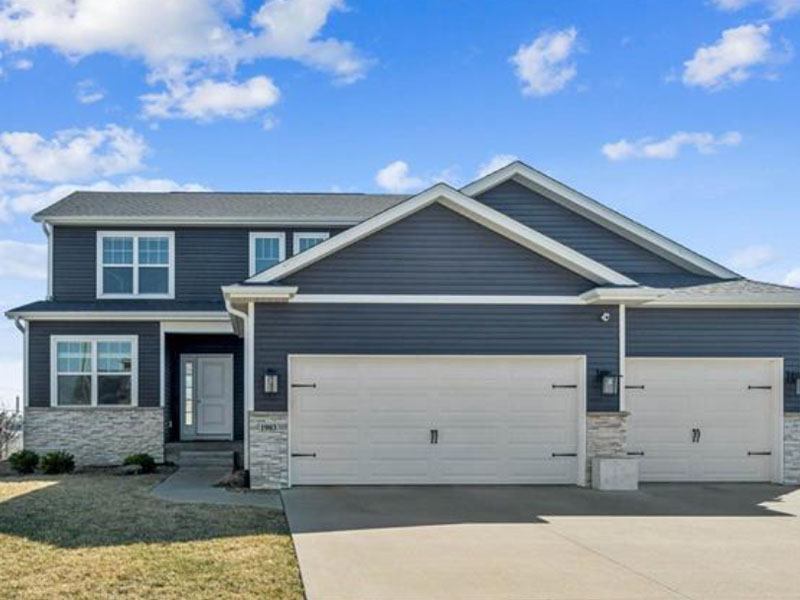
Single-family homes in established Cedar Rapids neighborhoods are widely varied, appealing to a broad range of buyers.
One reason so many buyers keep circling back to Cedar Rapids is variety. You’ll find traditional single-family homes in established neighborhoods, as well as condos, townhomes, and newer construction in areas still seeing growth. That mix is helpful if you’re still deciding how much maintenance, space, or updating you’re willing to take on.
Single-family homes make up a large share of the market and give you a wide array of choices when it comes to space, layout, and neighborhood character. Condos and townhomes are great options if you want less exterior upkeep or a lower-maintenance setup. New construction homes typically offer updated floor plans, energy-efficient features, and fewer immediate repair concerns, though they can come at a premium depending on location and builder incentives.
Waterfront or water-adjacent homes, especially near the Cedar River and other scenic pockets of the city, are some of the most appealing properties in the city, but they also require extra due diligence. Before moving forward on any home in these areas, it’s important to check FEMA flood maps, review insurance requirements, and ask about any history of flooding.
Neighborhoods and what to look for

Cultural destinations like the African-American Museum of Iowa in NewBo to the appeal of Cedar Rapids neighborhoods.
In Cedar Rapids, neighborhood choice can shape your experience as much as the house itself. In browsing homes for sale in Cedar Rapids, IA, pay attention to how the NE, NW, SE, SW, and downtown areas differ in housing stock, school boundaries, and flood-related considerations.
- The northeast side is often a fit for buyers who want a more suburban feel. Areas like Noelridge Park are known for mid-century homes, established streets, parks, shopping access, and proximity to major employers.
- The northwest side has a more residential, close-knit feel near the Cedar River and sits relatively close to downtown, though some areas still carry the legacy of past flood recovery and rebuilding.
- The southwest side has been gaining attention as growth pushes outward. It gives buyers a little more breathing room while still keeping places like Jones Park, Czech Village, and job centers within reach.
- The southeast side varies more block by block. Some pockets offer open space and quick access to destinations like NewBo, but flood history is a bigger part of the conversation there.
- Downtown Cedar Rapids has changed significantly in recent years, with more walkability, riverfront investment, apartments, and cultural activity. It may appeal if you want a more urban setting and easier access to restaurants, events, and entertainment.
Tips on buying a home in today’s market
In the dynamic Cedar Rapids market, a successful purchase means making the right preparations and getting expert local guidance. Consider these tips before taking the next step:
- Work with an experienced Realtor. The details matter here—commute times, housing age, and insurance needs can vary significantly from one neighborhood to another. A seasoned Realtor brings the local insight needed to spot what’s worth your attention (and what’s not), helping you make smarter, more confident decisions.
- Learn the market. Watch pricing, inventory, and days on market so you know when you have room to negotiate and when you need to move quickly.
- Know your priorities. Decide what matters most, whether that’s school access, yard space, a shorter commute, lower maintenance, or room to grow.
- Get pre-approved early. It sharpens your budget and makes your offer stronger.
- Budget beyond the mortgage. Taxes, insurance, maintenance, and possible repairs all matter.
Frequently asked questions on Cedar Rapids
Is Cedar Rapids a good place for first-time homebuyers?
Yes. Cedar Rapids is often more approachable than larger markets, with a lower median listing price and a wide mix of property types.
Are homes in Cedar Rapids still competitive?
They can be, especially if a home is well-priced and in a desirable area. You may have more room to negotiate than in hotter markets, but preparation still matters.
Do I need to consider flood zones when buying in Cedar Rapids?
In some parts of the city, yes. It’s smart to check FEMA flood maps early and understand any insurance requirements before you make an offer.
Should I buy a newer home or an older home in Cedar Rapids?
Both can make sense. Older homes may offer more character and established neighborhoods, while newer homes can mean fewer repairs and more modern features.
Ready to buy in Cedar Rapids?
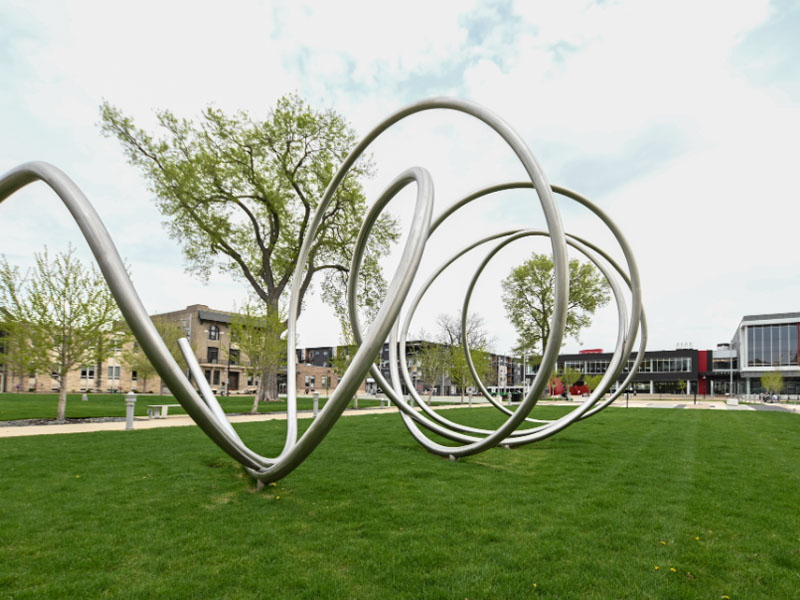
Landmarks like this sculpture at Greene Square reflect the character that draws buyers in, while local guidance helps them find the right home within it.
Buying a home in Cedar Rapids is a smart move, but the best results usually come from having the right guidance from the best real estate agents in Cedar Rapids, IA.
Lepic-Kroeger, Realtors® has been helping buyers and sellers across Eastern Iowa since 1972, providing insights that come from decades of market experience and a team-first approach that puts your goals first. When you work with LKR, you get the experience of 75+ top-tier REALTORS® with 53 years of proven results.
Call us at 319.351.8811 or email us and let us show you The Way Home.